A great place to live, work and thrive
Tucked on the edge of the West Midlands, nestled between Worcestershire and The Brecon Beacons – Herefordshire’s rolling pastures are bursting with rural charm, and a healthy vibrant community.
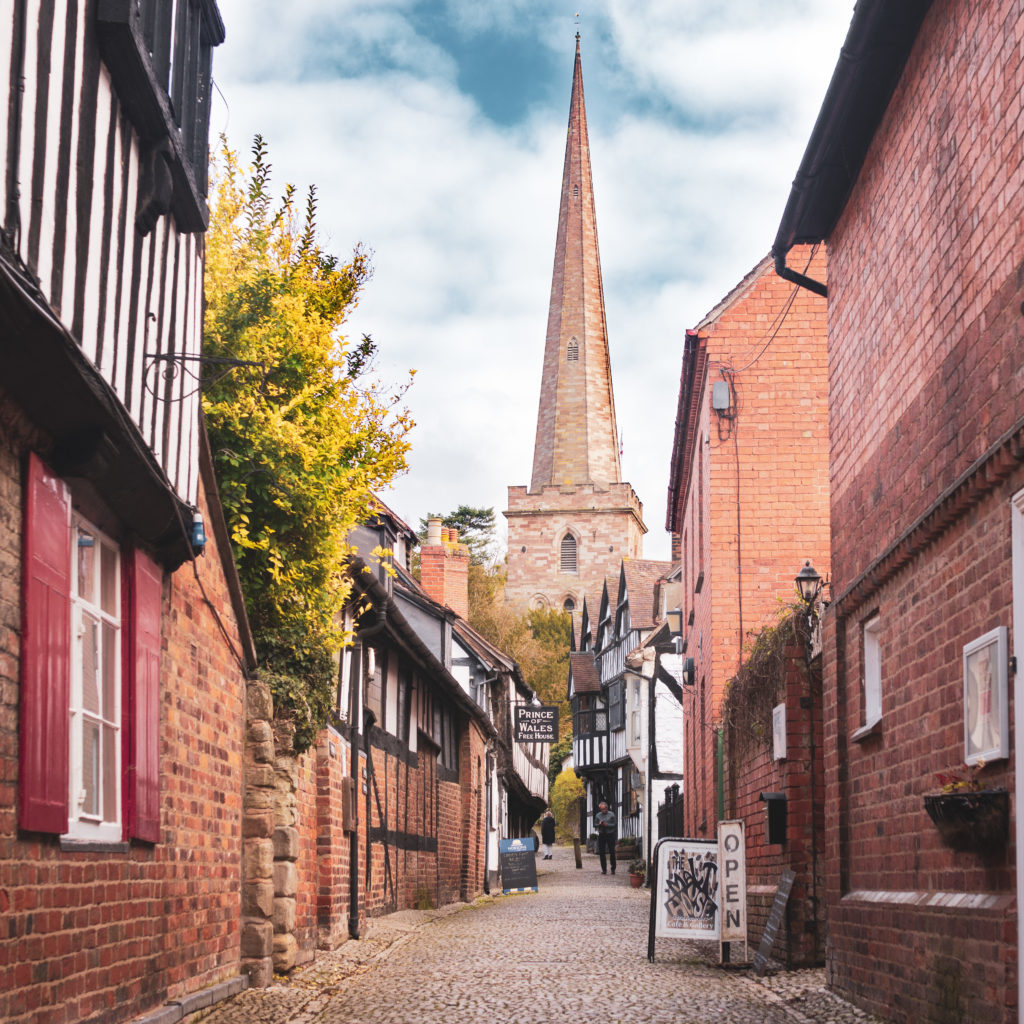
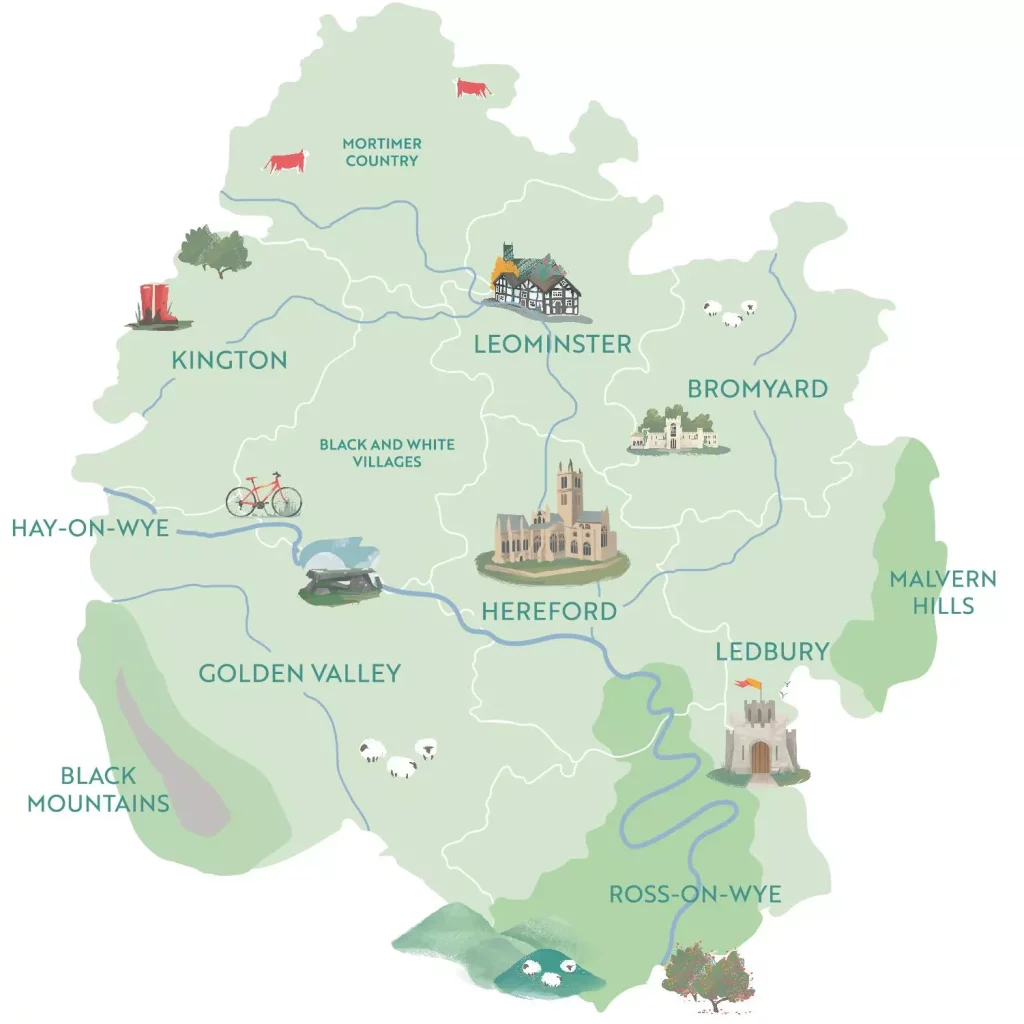
Herefordshire offers a lifestyle that blends rural tranquillity with cultural vibrancy and modern connectivity. Whether you’re drawn by the slower pace of life or the cultural richness, the county offers a lifestyle that’s both grounded and evolving.
The stunning countryside is one of the biggest advantages of living in Herefordshire, providing a break from the hustle and bustle of city life.
Areas including the Wye Valley and Malvern Hills are ideal locations for those who enjoy walking, cycling and outdoor pursuits. A great way to relax, be mindful and enjoy time by yourself or with friends and family.
Transport
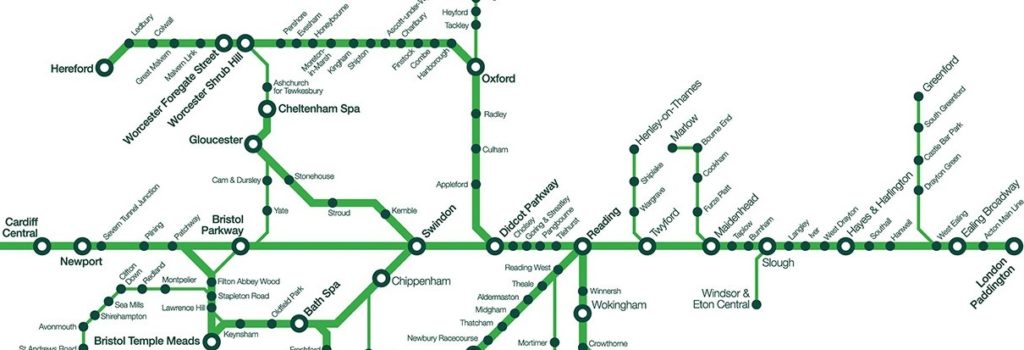
There are four main train stations in the county; Hereford, Leominster, Ledbury, and Colwall with direct services available travelling to Birmingham, Manchester, Cardiff, and London Paddington. The Hereford Transport Hub has been designed to modernise the city’s rail station with improved bus, cycle, and pedestrian links and there are plans for a new open access rail service between Hereford and London, that promise more frequent and faster connections for travellers.
The county is served by key trunk roads, including the A49 which runs north–south through Hereford, providing connections linking to Shrewsbury and Ross-on-Wye.
The M50 motorway provides access to the M5, connecting the county to Birmingham and the Southwest, whilst the A40 and A449 connects seamlessly into South Wales and to the M4 for Cardiff and beyond.
For tourist information about the county see the Visit Herefordshire website:
Housing and Schools
The county boasts a range of places to live including Hereford, market towns, villages and even the odd hamlet. The average price for a three bedroom house is £270,000, compared to the south east at £377,000. So, you get more for your money and a beautiful environment. Within the city of Hereford, we have a thriving new shopping area at the Old Market.
Herefordshire offers a diverse educational landscape, with schools ranging from centuries-old independent institutions to outstanding state-funded primaries and secondaries.
Herefordshire’s state schools maintain high educational standards and offer varied specialisms across the arts, sports, and SEND (Special Educational Needs and Disabilities).
The county performs above the national average for Ofsted ratings, showcasing strong community values and inclusive education. 93% of primary schools in Herefordshire are rated Good or Outstanding—higher than the national average of 90% and the county’s top 20 primaries include 13 Outstanding and 7 Good schools, with none rated Requires Improvement or Inadequate. High-performing schools include Riverside, St James’ C of E, St Francis Xavier’s, Walford, Eastnor, Holmer, Sutton, Pembridge, St Paul’s, Little Dewchurch, Whitchurch, King’s Caple, and Shobdon.
Among Herefordshire’s 14 inspected secondary schools 17% are rated Outstanding and 67% are Good, leaving no Inadequate entries.
Notable Outstanding schools include Fairfield High School and St Mary’s RC High School. Some notable establishments include Steiner Academy Hereford, a state-funded school that integrates nature-based and holistic learning. The Hereford Academy, a former Sports College, retains a sports specialism, with extensive facilities and inter-school competitions. Schools such as St Mary’s RC High, Fairfield High, Wigmore, Stretton Sugwas, and Kingsland actively support music learning through the Herefordshire & Worcestershire Music Hub. Specialist resource bases for autism are integrated into Bishop of Hereford’s Bluecoat School, Hampton Dene Primary, and Aylestone High School, complemented by special schools such as Barrs Court School and The Brookfield School.
And we mustn’t forget post-16 education with opportunities across a range of academic and practical qualifications.